NDRS Newsletter │22 June 2023

NDRS News
Each month we share the latest news from the National Disease Registration Service (NDRS) including recent publications, data releases and upcoming events. 
 
The National Disease Registration Service is part of NHS England and collects data from the NHS about cancer, rare diseases and congenital anomalies in England.

NDRS includes the National Cancer Registration and Analysis Service (NCRAS) and the National Congenital Anomaly and Rare Diseases Registration Service (NCARDRS). NDRS uses data provided by patients and collected by the NHS as part of their care and support. NDRS uses this data to detect changes in the health of the population and to help the NHS improve the diagnosis and treatment of these diseases.

Please share this newsletter with networks and colleagues
Others can sign up to our newsletter here.
Visit our website
Contact us
Updates from NDRS

NDRS data and collaborative paper shows more women are now beating early breast cancer

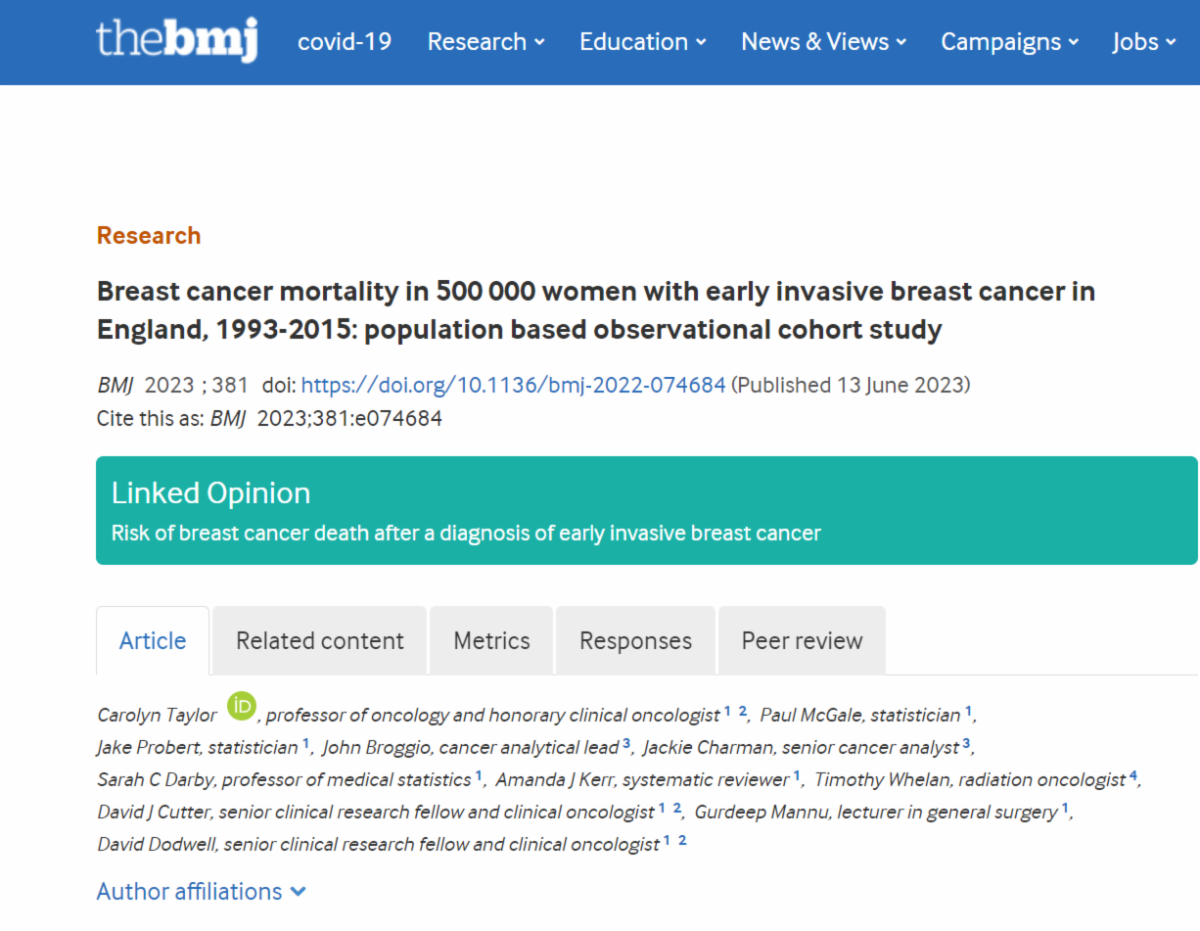
Screenshot of the top of the BMJ paper on breast cancer mortality in patients diagnosed between 1993 and 2015

The BMJ published a paper on breast cancer mortality in patients diagnosed between 1993 and 2015. The study looks at variation by combinations of age, hormonal markers, nodal status, screening status, tumour size and grade to illustrate how outcomes have changed over time. These analyses show that mortality from breast cancer has significantly reduced over time and most women diagnosed at an early stage of disease are now likely to be long-term survivors of breast cancer.


This work has received widespread coverage across the media, including the BBC, Sky, The Times, The Guardian and The Mail.

Cervical screening awareness week

An logo from the cervical screening saves lives campaign

This week is Cervical Screening Awareness Week (19 - 24 June 2023) and this gives us an opportunity to raise awareness of some of our work.


In 2020 NDRS data was used for the paper Survival from Cervical Cancer Diagnosed Aged 20–29 Years by Age at First Invitation to Screening in England: Population-Based Study. This paper explored the effect of the changes to the age at first screening invitation on survival from cervical cancer diagnosed in women under the age of 30. The change in policy on the age at which women are first invited to screening has increased diagnoses of cervical cancers without significantly increasing the number of deaths.


The cervical screening programme is targeted towards adults while the HPV vaccine is targeted towards children. Both programmes being important, you can read more about the effects of the HPV vaccine which was introduced in September 2008 in this publication which used NDRS data, The effects of the national HPV vaccination programme in England, UK, on cervical cancer and grade 3 cervical intraepithelial neoplasia incidence: a register-based observational study

First meeting of the GM taskforce on secondary breast cancer

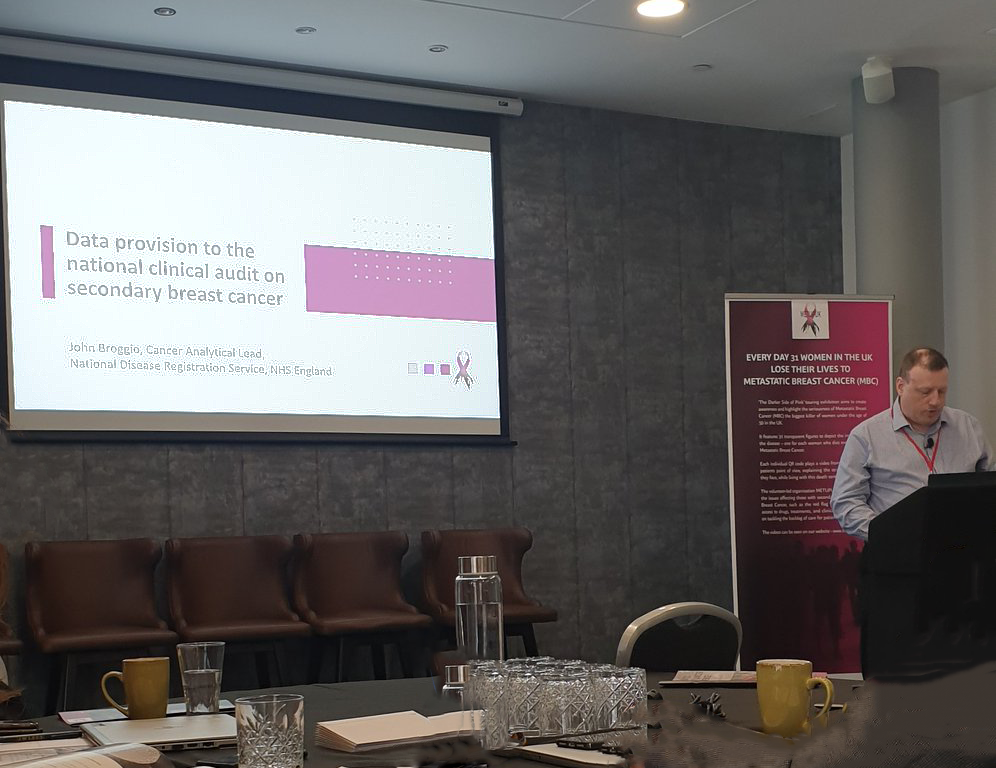
John Broggio, Cancer Analytical Lead at the first meeting of the Greater Manchester taskforce

On Tuesday, the Greater Manchester (GM) Cancer Alliance and the charity MetUpUK hosted the first meeting of the GM taskforce on secondary breast cancer. John Broggio who is a Cancer Analytical Lead at NDRS presented on the data that can support the national clinical audit on breast cancer, including news of an algorithm, developed between NDRS and the University of Oxford, that can successfully identify (practically) all progressions to metastatic breast cancer after diagnosis using existing data sets.

Find out more
Data releases and publications

One-year survival in haemophagocytic lymphohistiocytosis

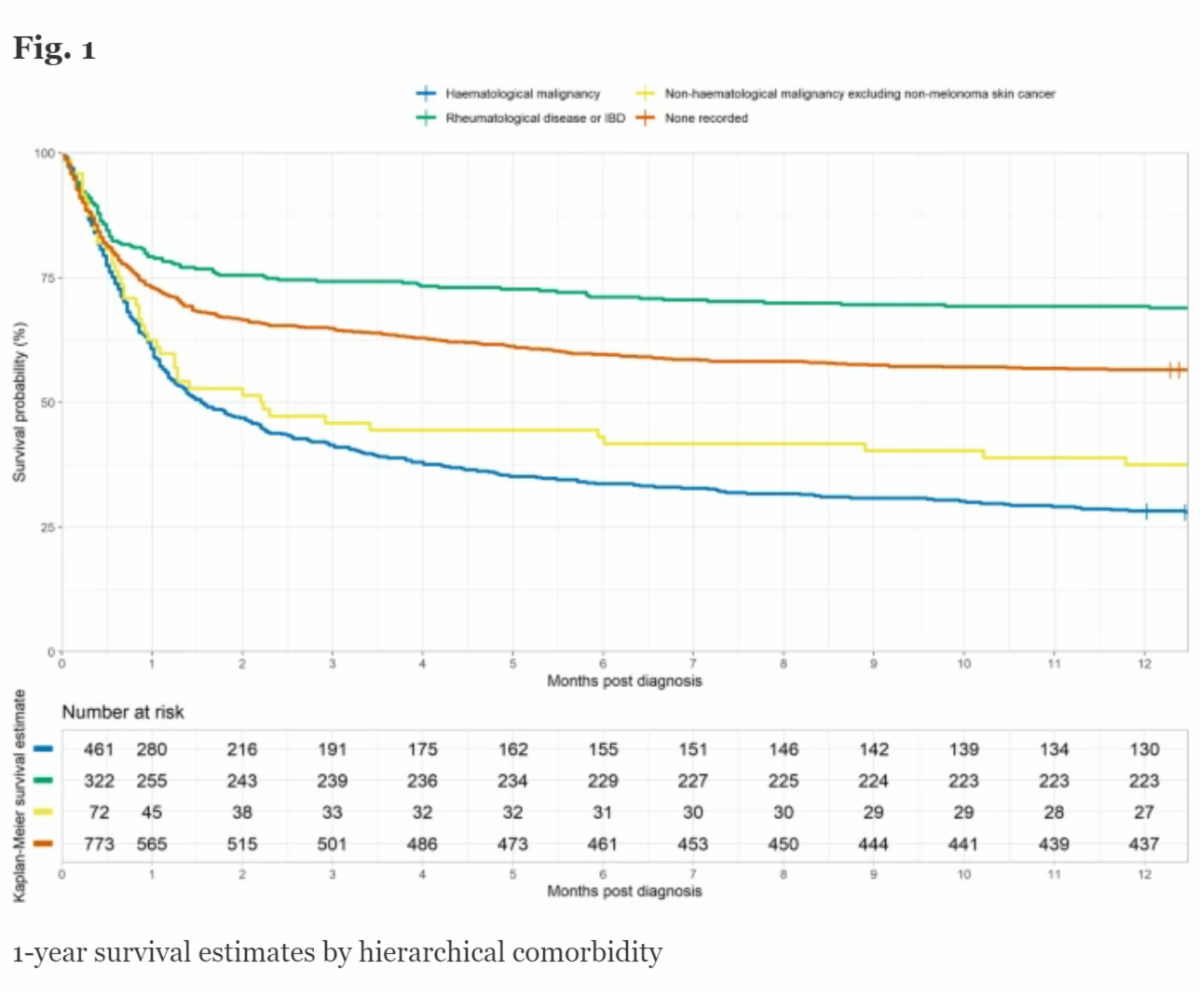
One-year survival in haemophagocytic lymphohistiocytosis: a nationwide cohort study from England 2003–2018 was published the in the Journal of Haematology and Oncology. This was a collaborative project with a number of partners and part funded by Histio-UK


The 461 patients with HLH and haematological cancer and > 500 cases of HLH in patients aged 0–14 years represent the largest respective series reported, with no comparable sized cohorts of auto-immune related HLH, demonstrating the power of national disease registration. 

Find out more

Graph from the One-year survival in haemophagocytic lymphohistiocytosis: a nationwide cohort study from England 2003–2018 publication showing 1-year survival estimates by hierarchical comorbidity

National Cancer Diagnosis Audits (NCDA) paper published

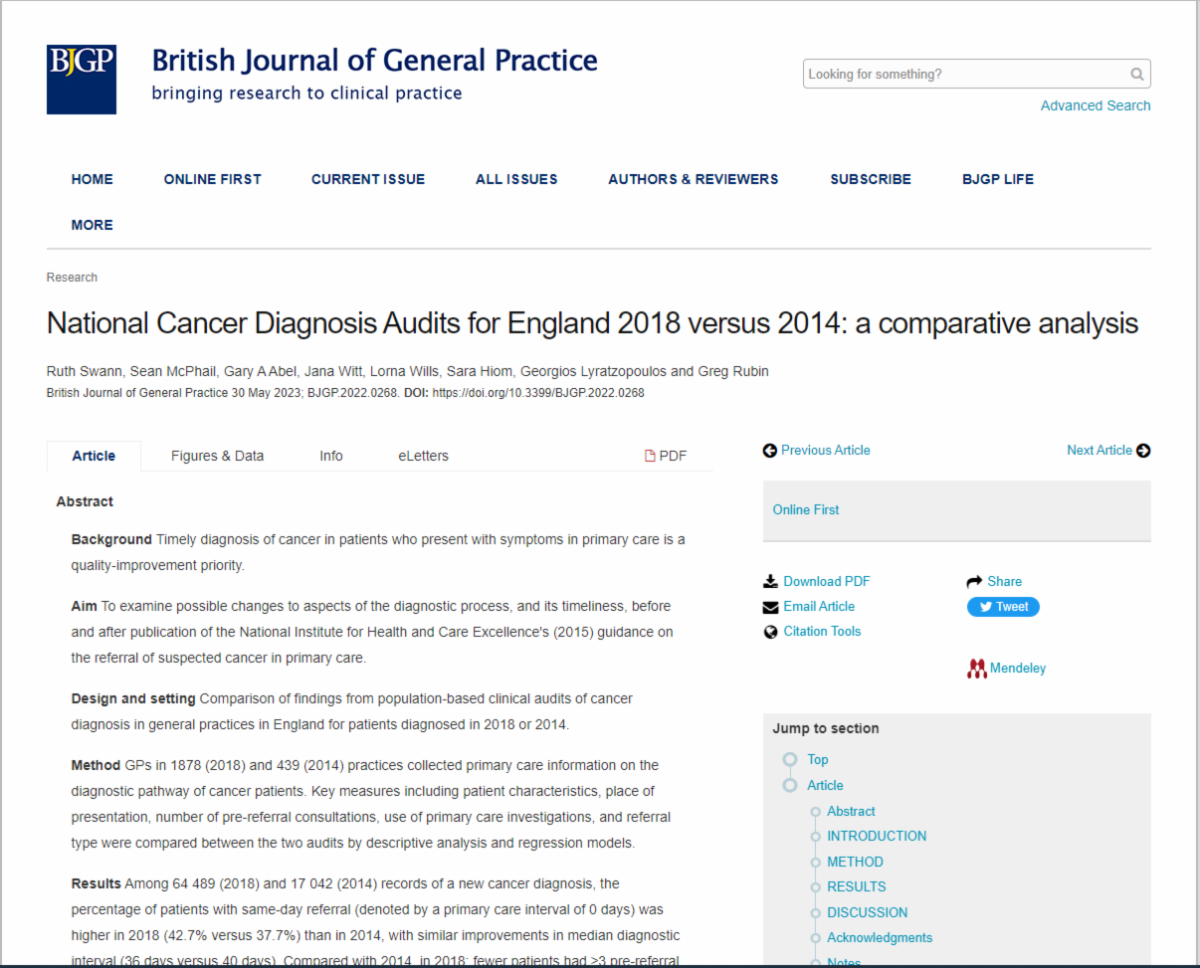
A paper has been published in the British Journal of General Practice on the National Cancer Diagnosis Audits (NCDA) in England, comparing the diagnostic pathway through primary care for cancer patients diagnosed in 2014 and 2018. The audits span the publication of the updated NICE guidelines for the referral for suspected cancers in 2015. 


The NCDA collected primary care data on 5% and 20% of incident cancer cases in 2014 and 2018 respectively. Findings from the paper showed there were improvements to the diagnostic pathway in 2018 compared to 2014 with fewer patients having multiple consultations before referral, and more patients being referred and diagnosed quicker. The proportion of urgent referrals for suspected cancer increased and emergency referrals decreased.

Find out more

Screenshot of the top of the BMJ paper on National Cancer Diagnosis Audits for England 2018 versus 2014: a comparative analysis

New 30-day mortality post-SACT case-mix adjusted rates report

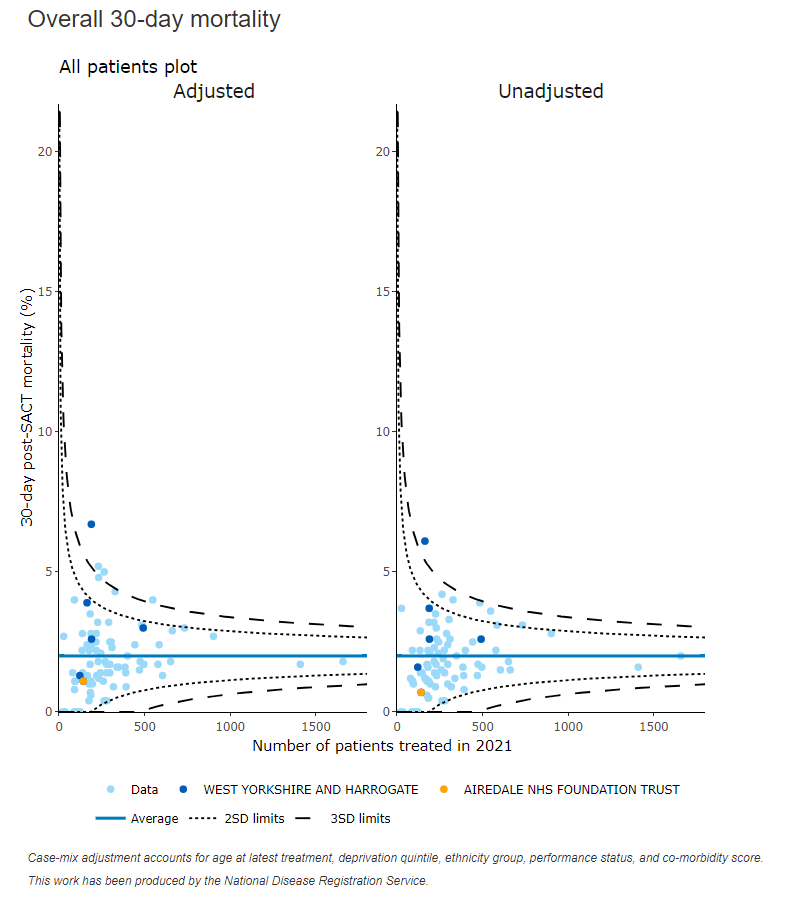
We are pleased to announce that the new 30-day mortality post-SACT case-mix adjusted rates (CMAR) report is now openly accessible on the NDRS website. This is the first release since February 2022 following a pause for methodological review. This report considers patients diagnosed with breast cancer who received SACT in 2021.


We hope this is a useful tool and

creates an opportunity for NHS trusts to review their own practice, explore any

reasons for variation, and share any lessons learnt in the optimal management

of breast cancer.


Please continue to share feedback

on the report; we would be particularly interested to hear how the report has

impacted internal NHS trust reviews and collect any best practice. Please send

any thoughts or feedback to [email protected]


We have future CMAR report releases

planned for other cancer sites and will share a schedule in due course. 

Find out more

A graph from the report showing overall 30 day mortality

New 30-day mortality post-SACT case-mix adjusted rates report

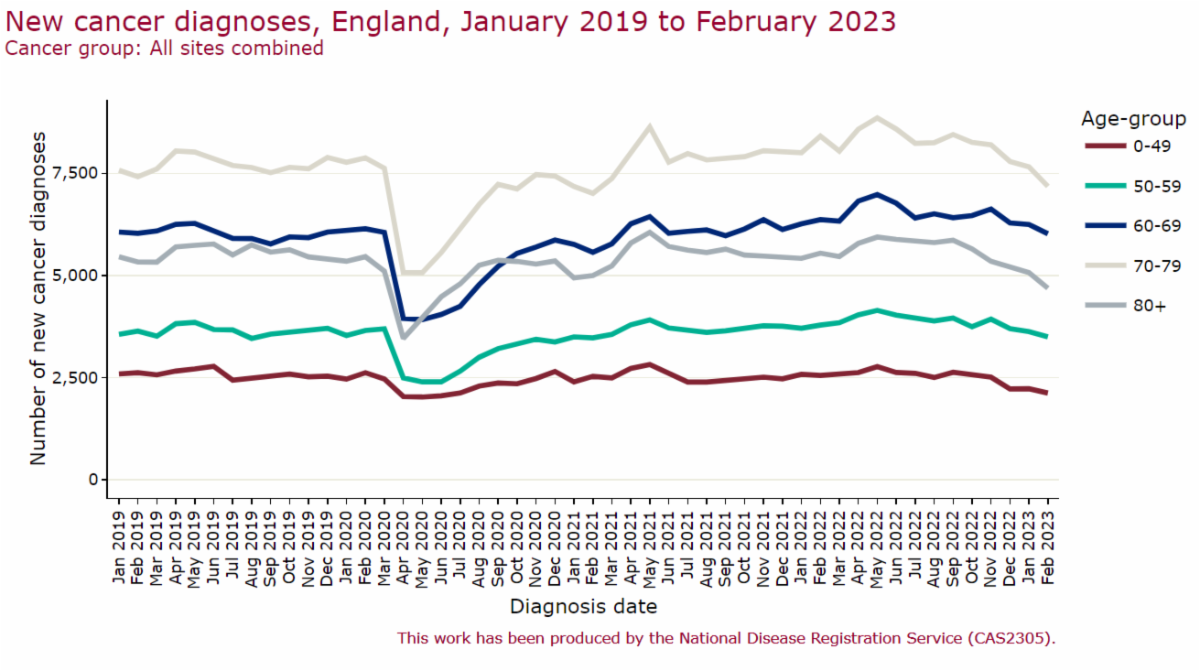
Our two Rapid Cancer Registration Data (RCRD) COVID-19 Incidence and Treatment dashboards continue to be updated with data for recent months. The latest monthly update included diagnoses up to February 2023 and treatment data until at least November 2022. The dashboards are available at: CancerData (publicly available) and CancerStats2 (requires a secure HSCN connection to access). 

Find out more

A graph from the dashboard on CancerData showing new cancer diagnoses in England from January 2019 to February 2023

CDF report published

Since July 2016 ,the National Institute for Health and Care Excellence (NICE) has been appraising all new cancer drugs, including those made available through the new Cancer Drugs Fund (CDF). The CDF aims to make promising new treatments available to patients while NICE decides whether treatments should be approved routinely on the NHS.


The National Disease Registration Service (NDRS), part of NHS England provide insight into patient outcomes, including duration of treatment and survival, based on routinely reported data, including data from the Systemic Anti-Cancer Therapy dataset (SACT).


Our CDF reports, together with clinical trials data, inform NICE committee decision making on whether a drug should be made available to patients routinely on the NHS.


Following a recent NICE re-appraisal, the NDRS team have had a report published along with the NICE committee papers: Daratumumab with bortezomib and dexamethasone for previously treated multiple myeloma. This treatment has been approved for routine commissioning. This report shows how the SACT dataset provides essential real-world evidence to inform committee decisions.

Find out more

An Icon showing a drug

Events

NDRS Spring Webinar Series recordings now available

The NDRS Spring Webinar series concluded at the end of May after delivering 6 one-hour lunchtime webinars covering topics and updates from teams across the whole of NDRS, including our work to support Lynch syndrome diagnosis and screening, breakthroughs in sarcoma cancer data and a deeper dive into the SACT data set. We had over 600 people register to attend across the whole series and some really good questions and discussions. For anyone who was unable to attend the recordings of all 6 of the webinars in now available via the NDRS website on the webinar page.

Thank you for reading. If you have any questions or queries please get in touch. We would welcome your feedback on this newsletter too, and if you wish to unsubscribe please follow the link below.
Contact us